
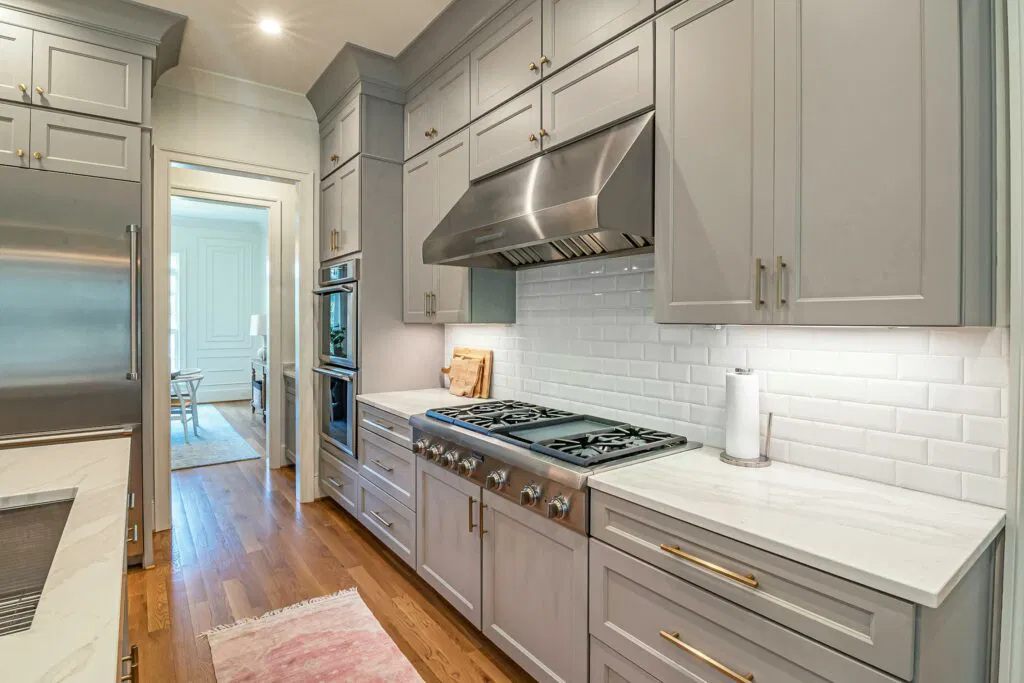
A well-designed kitchen ventilation system is essential for maintaining air quality, removing odors, and ensuring a comfortable cooking environment. However, choosing the right system for your kitchen can be challenging due to the variety of options available. This guide will walk you through the key factors to consider when selecting the perfect kitchen ventilation solution.
Understanding the Importance of Kitchen Ventilation Systems
Kitchen ventilation is more than just eliminating smoke and odors. It’s about:
- Improving Air Quality: Removing grease, moisture, and harmful particulates from the air.
- Protecting Your Home: Reducing the risk of mold growth and damage caused by excess humidity.
- Enhancing Comfort: Creating a pleasant cooking atmosphere free of lingering smells and heat.
Key Types of Kitchen Ventilation Systems and Their Features
Range Hoods: The Most Popular Option
Range hoods are a common choice due to their effectiveness and variety of styles. Options include:
- Wall-Mounted Hoods: Installed above the stove and vented outside for maximum efficiency.
- Under-Cabinet Hoods: Compact and ideal for small kitchens, often with recirculating or ducted options.
- Island Hoods: Designed for cooktops on kitchen islands, providing 360-degree ventilation.
Downdraft Ventilation Systems
Downdraft systems are integrated into the cooktop or installed nearby. They:
- Pull Air Downwards: Ideal for kitchens with limited overhead space.
- Provide a Sleek Look: Blending seamlessly with modern designs.
- May Require More Maintenance: Due to grease and particles settling in low-lying areas.
Ductless Ventilation Systems
Ductless systems, also known as recirculating systems, are suitable for spaces without external venting. They:
- Use Filters: Typically charcoal or carbon filters to clean the air before recirculation.
- Are Easy to Install: No need for external ductwork.
- May Need Frequent Filter Changes: To maintain performance.
Factors to Consider When Choosing a Kitchen Ventilation System
Kitchen Layout and Design
Your kitchen’s layout plays a significant role in determining the best ventilation system. For example:
- Open-concept kitchens may benefit from quiet, high-capacity range hoods.
- Compact kitchens might require under-cabinet or downdraft systems to save space.
Cooking Habits
Consider how often and what type of cooking you do:
- Frequent frying or grilling calls for a powerful range hood with high CFM (cubic feet per minute).
- Light cooking may only need a basic under-cabinet or ductless system.
Noise Levels
Ventilation systems can be noisy, especially at higher speeds. Look for systems with:
- Variable speed controls to adjust power and noise levels.
- Quiet motor technology for a more peaceful kitchen experience.
Maintenance Tips for Long-Lasting Performance
To ensure your ventilation system remains effective:
- Clean Filters Regularly: Grease and particles accumulate over time, reducing efficiency.
- Check Ducts for Blockages: If your system is ducted, ensure there are no obstructions.
- Inspect Motors and Fans: Regular maintenance prevents wear and tear.
How Professional Installation Enhances Ventilation Efficiency
While some ventilation systems are DIY-friendly, professional installation offers several benefits:
- Optimal Placement: Ensuring proper airflow and functionality.
- Seamless Integration: Matching the system with your kitchen’s design.
- Compliance with Local Regulations: Adhering to building codes and safety standards.
Upgrade Your Kitchen with the Right Ventilation System
Choosing the right kitchen ventilation system transforms your cooking experience and protects your home. Whether you’re upgrading an existing setup or starting from scratch, consulting with experienced professionals ensures you make the best choice. Invest in a system that meets your needs, complements your kitchen, and delivers long-term performance. Start exploring your options today and breathe easier in your kitchen!